
 Adelaide Moyo, Group Managing Editor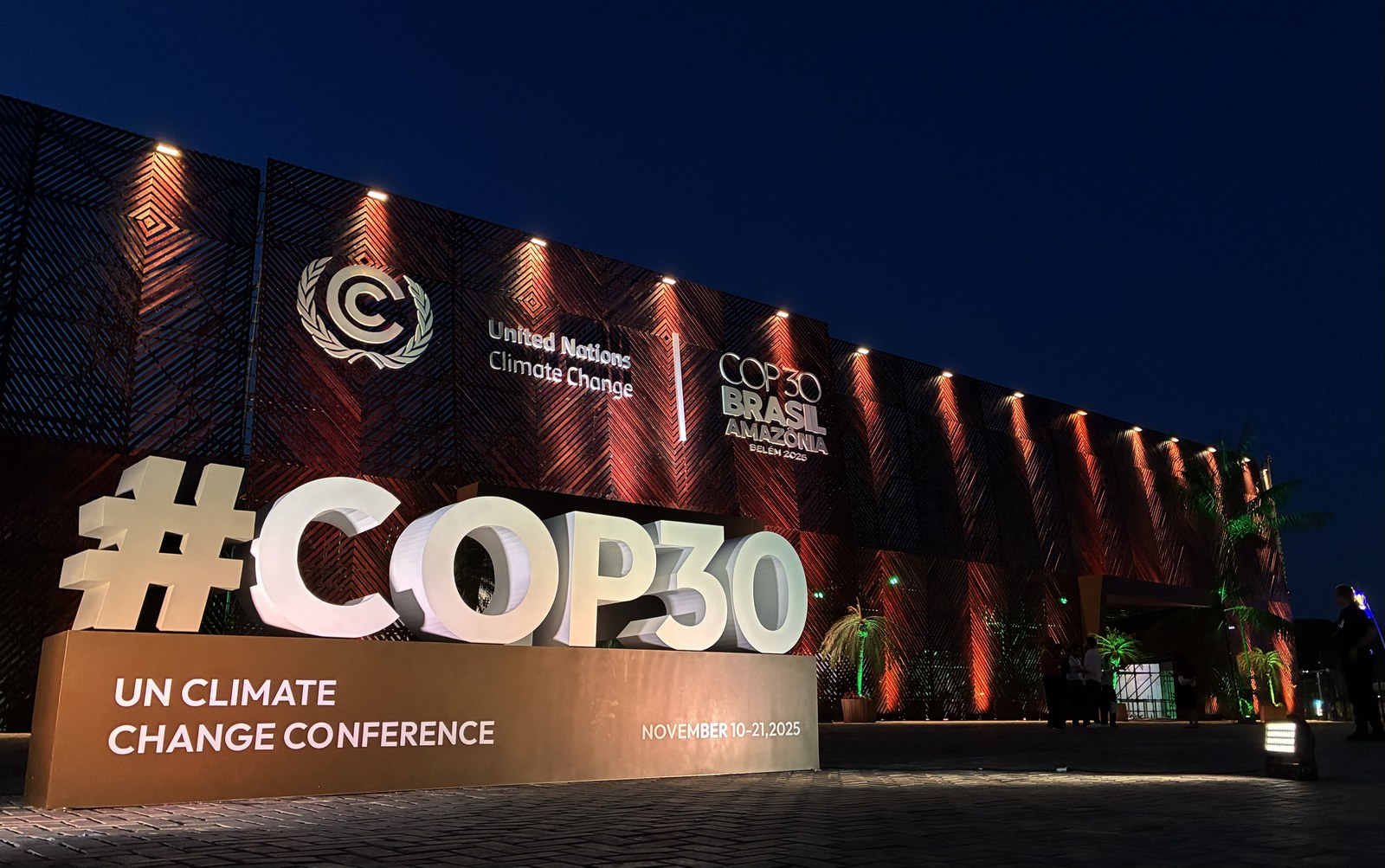
AT THE ongoing 30th Conference of the Parties (COP30) to the United Nations Framework Convention on Climate Change (UNFCCC) in Brazil, Zimbabwe is making climate finance and adaptation its overriding priority.
According to a government position paper prepared for the conference, the Southern African nation is challenging developed countries to expedite resource mobilisation to meet international climate targets.
This comes as the southern African nation requires nearly US$30 billion in external support for its climate-related plans over the next decade.
Zimbabwe, aligning closely with the African Group of Negotiators, has placed the New Collective Quantified Goal on Climate Finance at the centre of its demands.
The nation calls for developed countries to meet the New Collective Quantified Goal on Climate Finance target, set at COP29, of mobilising US$300 billion per annum by 2035.
Furthermore, it is advocating for all global actors to contribute toward a broader target of US$1,3 trillion per annum in international climate finance.
Zimbabwe requires US$10,3 billion for climate change adaptation as stipulated in the country’s Climate Change National Adaptation Plan up to 2030.
A further US$19 billion up to 2035 is required for the implementation of the country’s mitigation actions as guided by the Nationally Determined Contributions 3.0 Country Statement.
The position paper stresses that grant-based financing is critical for creating the enabling environment and catalysing adaptation action, underscoring that current global adaptation cost projections are significantly underrated.
Zimbabwe is lobbying for a paradigm shift within the UNFCCC, arguing that adaptation efforts, which primarily benefit vulnerable nations, must move away from being a secondary component of climate action.
To address the severe impacts already faced by its communities, Zimbabwe is pushing for the urgent operationalisation of Articles 9 (finance), 10 (technology), and 11 (capacity-building) of the Paris Agreement.
This includes demanding enhanced, scaled-up, and predictable support for the implementation of its National Adaptation Plan.
On the Global Goal on Adaptation, the Zimbabwean delegation insists that any final oversight mechanism agreed upon at COP30 must ensure equitable representation of African countries and fair access to resources that reflect the on-the-ground realities of vulnerable households, women, and youth.
On just transition pathways, Zimbabwe calls for any decisions to be adopted at COP30 to be explicit on the provision of policy space and support in consideration of developing countries’ unique development circumstances and urgent needs.
The government says that, given its low contribution to global greenhouse gas emissions at less than 0,05 percent, it must be afforded the policy space and support to address its significant energy gap.
The paper states that the country’s development aspirations will require the use of “all forms of energy in the short to medium term,” including the expansion of fossil fuel use as an option for increasing electricity generation capacity.
“The just transition must recognise the importance of differentiated pathways and different national circumstances and starting points for countries to transition towards net zero,” the paper says.
“In this vein, the pace of transformation must consider the economic context of individual countries, some of which are heavily dependent on carbon-intensive industries and some of which are not.”
This position is reinforced by a parallel red line in the Mitigation Work Programme discussions, where Zimbabwe will oppose any decision that attempts to “shift the climate change mitigation burden to developing countries.”
Zimbabwe has also reiterated the critical need for the full operationalisation and capitalisation of the Loss and Damage Fund.
The delegation expects a significant increase in pledges to the fund that is commensurate with the “urgency and severity of impacts” across the developing world.
The country is calling for the funding to address not only immediate needs but also medium- to long-term recovery efforts, facilitating the critical goal of “building back and forward better” in local communities.
In a move reflective of broader regional sentiment, Zimbabwe demands that COP30 launch work on the official consideration and recognition of Africa’s special needs and special circumstances under the Paris Agreement.
The southern African nation cites that the continent is already impacted more than any other despite its minimal contribution to the crisis.
COP30 takes place in an environment in which the climate crisis continues to deepen, causing unprecedented losses and damages.
The climate summit also comes as climate finance remains far from adequate, and the climate change mitigation and adaptation efforts fall far short of expectations.
newsdesk@fingaz.co.zw

