
 Staff Writer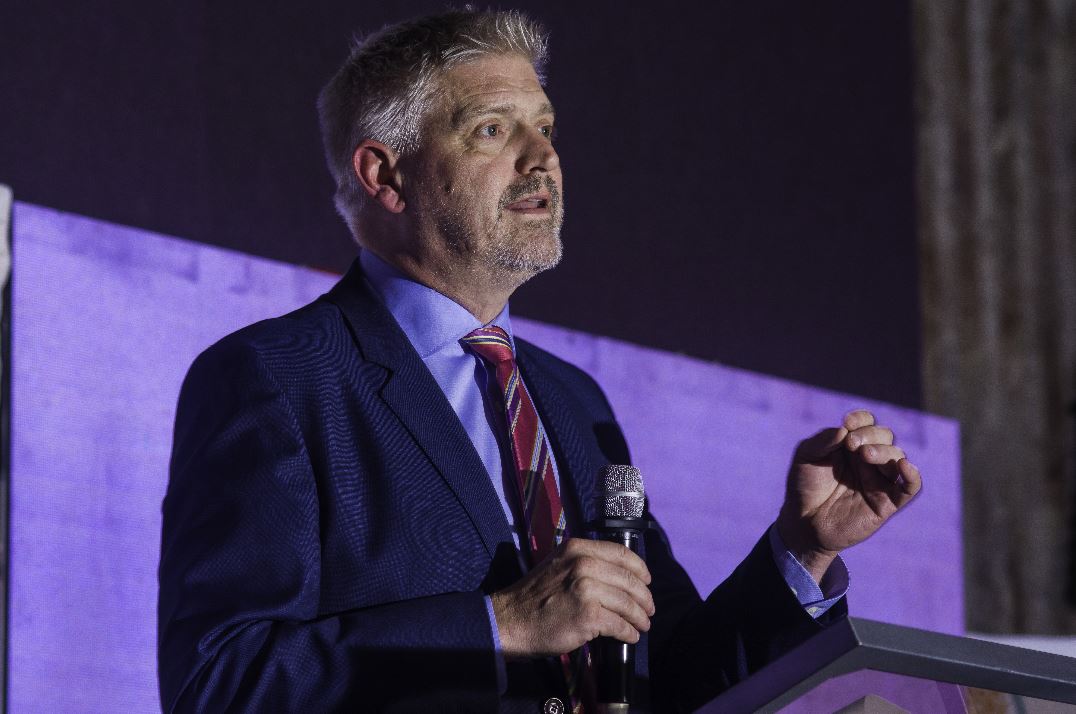
THE United Nations Development Programme (UNDP) says Zimbabwe’s sustainability agenda is incomplete until it fully embraces the micro, small, and medium enterprise (MSME) sector.
Speaking at the Zimbabwe National Annual Environmental, Social, and Governance (ESG) and Sustainability Achievement Awards,UNDP resident representative, Ayodele Odusola, however, applauded Zimbabwe for mainstreaming Sustainable Development Goals into its long-term economic blueprints.
He also highlighted the significance of Statutory Instrument 134 of 2019, which compels listed companies to report on ESG issues.
“Zimbabwe… has introduced ground-breaking legislation, for instance, through Statutory instrument 134 of 2019, mandating all listed companies in Zimbabwe to report on ESG issues, showing how they are addressing social, economic, and environmental-related concerns in the areas in which they are operating,” Odusola said in a speech read on his behalf by UNDP senior economist Alex Warren-Rodríguez.
“These are important steps in the right direction, yet the journey is far from complete. In an economy dominated by MSMEs, the ESG agenda must reach small businesses across the country, including those in the informal sector.”
Odusola said there is a need to leverage innovation and emerging technologies, including artificial intelligence, to accelerate progress in the area of business and ESGs.
He added that ESG is a necessary shift in business conduct.
“Ensuring that the private sector plays its part in sustainable development requires a shift in mindsets and in the way we conduct business. This is precisely the essence of the ESG agenda,” Odusola said.
“ESG is not merely about corporate social responsibility, though it can play an important role. It is also not only about clean practices or reducing pollution. ESG represents, in this sense, a holistic approach to sustainability, integrating social, environmental, and governance principles into everyday business operations.
“It is also not about compliance. It is about ensuring that businesses willingly and actively contribute to a healthier planet, equitable and inclusive workplaces, ethical governance, and long-term resilience, among other outcomes,” he added.
Speaking at the same event, ESG Network Zimbabwe executive director, Willard Razawo, said utilising ESG principles offers a distinct chance to boost sustainable growth, generate employment, and enhance the well-being of all citizens in Zimbabwe.
He highlighted a shift in corporate strategy over the past year, noting that more organisations are aligning their core operations with the United Nations Sustainable Development Goals.
“More and more, businesses are aligning their strategies with the United Nations Sustainable Development Goals and recognising that profitability and sustainability are not mutually exclusive. This evolution is not merely a trend; it is a necessity. It is an acknowledgement that our compass must be guided by the principles of sustainability and responsibility,” Razawo said.
The event, which aimed to honour the efforts of organisations committed to ESG practices, saw over 50 companies come together to celebrate a shared vision of sustainable growth.
newsdesk@fingaz.co.zw

