
 Almot Maqolo, Staff Writer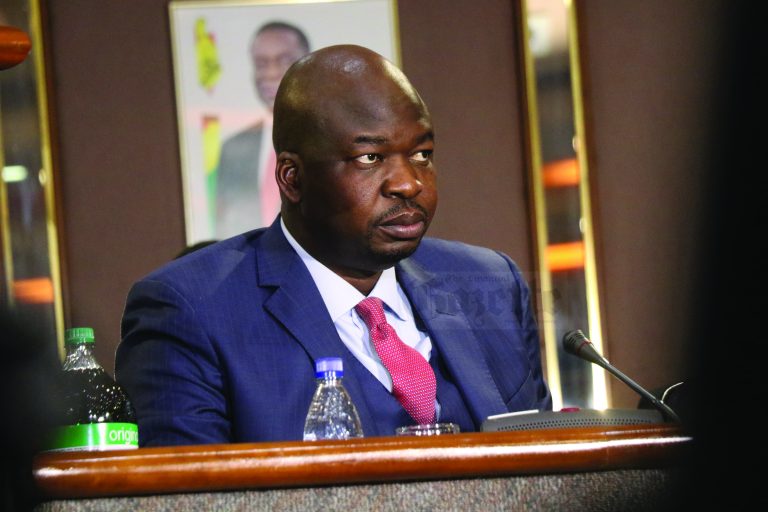
ZIMBABWE’S taxation regime and levels are in line with regional trends, as the current revenue collections – at 18 percent – are attributable to “administrative efficiencies and not overtaxation”, Finance secretary George Guvamatanga has said.
This comes as more independent voices, such as South Africa’s Daily Investor, have said Harare’s American dollar earnings or growth has been faster than Pretoria’s over the past 15 years, and the country’s tax-to-gross domestic product (GDP) ratio was even lower than regional peers.
“…the standard way to measure tax efficiency, inefficiency or… if people are being overtaxed is by benchmarking a country’s tax to GDP ratio (and) there are accepted standards for both developed, and underdeveloped countries. The highest we had here in Zimbabwe was in the early to mid 90s… (and) where we were doing around 25 percent, and we were only at 18 last year this. We’ve come down to below 17 percent for 2026. The regional benchmark should be around 22, 25,” Guvamatanga said recently.
“It’s not that we’ve increased taxes, but we are benefiting from efficiency, cutting out unnecessary tax expenditures and reintroducing value added tax (VAT) on some revenue lines. So, the 18 percent growth is actually coming from improved systems and efficiency after the Zimbabwe Revenue Authority (Zimra)’s installation of its Tax and Revenue Management System (TARMS), and review of among other administrative tools and things. And in terms of other benchmarks, and related to personal income tax to total revenue gains – where regional levels are around 35 to 40 percent – we are on a 25 percent contribution, which could be linked to the informality in our economy,” he said.

Emphasising that Treasury had actually reduced taxes on about 70 percent lines or measures announced in the budget and Zimbabwe was coming from a “low base”, Guvamatanga said the country’s corporate tax – at 25 percent – was also in sync with regional levels.
The current revenue growth and Zimra’s meeting of targets was also achieved by the elimination of tax expenditures, which are VAT and other levy-free imported goods, and at one point circa US$70 million monthly before 2017 – and higher than total revenue collected.
“Even, though, there is debate about government getting a bigger slice of the revenue cake and based on the fact that tax collection levels are higher than the five percent economic growth, the Zimra numbers are a result of efficiencies, the tightening of borders like Beitbridge and general automation of systems across various government departments,” Guvamatanga said.
“As it is, we have given institutions like the Zimbabwe National Road Administration up to March to fully automate and other departments by the end of the year. And l must emphasise that we want more revenue and cash to pump into social services like hospitals, and schools in line with the national development strategy two’s objectives,” he said.
And government’s review of gold royalties from the maximum 10 percent was a clear demonstration of “its responsiveness to these taxation issues”, as it had gone to one of the highest points in Africa and yet it would want to “play in the middle ground”.
Meanwhile, Guvamatanga says the Finance ministry was “happy with the value-for-money rehabilitation works and turnkey project” at Parirenyatwa hospital, with some works at 95 percent of completion.

