
 Staff Writer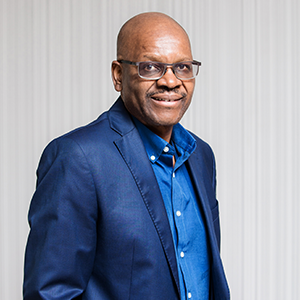
Bothwell P. Nyajeka
OVER the past two months, Zimbabwe’s creative arts sector has been vibrant. The period was marked by high-profile events that have drawn attention to the richness of local talent and the enduring appeal of the arts.
In March, the country hosted the National Arts Merit Awards (NAMA), widely regarded as the premier celebration of artistic excellence in Zimbabwe. Shortly thereafter, on Friday April 11, audiences were treated to the nostalgic Legends musical show, which paid tribute to iconic artists of yesteryear.
These events, supported by major corporate sponsors, signal a renewed level of engagement between business and the arts.
Looking ahead, the momentum is set to continue, with another leading bank preparing to sponsor the Jacaranda Festival later this year.
Backed by corporate and cultural organisations such as the National Arts Council of Zimbabwe and the National Gallery, this artistic movement highlights the growing importance of the arts in Zimbabwe’s social fabric. The appointment of several artists as brand ambassadors further reinforces this connection. However, these developments also invite a deeper reflection on the nature of the relationship between corporate Zimbabwe and the creative arts industry, and more importantly, how that relationship can evolve to unlock greater value for both parties.
Across the African continent, the creative arts industry is no longer confined to being seen as a platform for entertainment. It has emerged as a significant economic force, contributing meaningfully to national economies. Countries such as Nigeria have demonstrated how sectors like music, film, and fashion can drive Gross Domestic Product (GDP) growth while simultaneously creating employment opportunities.
Recognising this potential, the African Export-Import Bank took a bold step in 2024 by launching a financing initiative through its Creative Africa Nexus (CANEX) programme.
With a commitment of US$2 billion over three years, this initiative underscores a broader continental shift towards treating the creative arts as a strategic economic sector rather than a peripheral activity.
Zimbabwe is not new to the idea of corporate involvement in the arts. In previous decades, companies such as Lever Brothers played a pivotal role in nurturing and promoting cultural icons, helping figures like Safirio Madzikatire “Mukadota” become household names. These partnerships were instrumental in shaping the country’s cultural identity and demonstrated the power of sustained corporate support.
Despite this history, the current relationship between corporate Zimbabwe and the creative arts industry remains somewhat fragmented and underdeveloped. Much of the engagement is still centred around event sponsorship which, while important, tends to be short-term and cannot drive sustained growth. There is limited evidence of long-term strategic partnerships that focus on building the capacity of the industry or unlocking its full economic potential.
The opportunity to grow the arts industry in Zimbabwe is immense. The creative arts industry, which includes sectors such as film, music, performing arts, publishing, fashion, software, crafts, and broadcasting, is inherently driven by creativity, skill, and talent. These are resources that Zimbabwe possesses, particularly among its youth. At a time when the country is grappling with high levels of youth unemployment, the creative sector offers a viable pathway for job creation, entrepreneurship, and economic inclusion.
One of the key challenges that must be addressed to realise this potential is the prevalence of informality within the sector. Many creative enterprises operate outside formal structures, limiting their ability to access funding, enter into partnerships, or fully protect their intellectual property. Transitioning towards a more formalised structure is therefore essential.
Formalisation would enable artists and creative entrepreneurs to gain legal recognition, access government support in the form of grants and facilitation, and benefit from improved access to finance. It would also enhance opportunities for collaboration with corporate entities by increasing credibility and professionalism within the sector.
In addition, formalisation would facilitate the registration and protection of intellectual property. In the creative economy, intellectual property is the primary asset. Without proper protection, artists are unable to fully benefit from their work, and the true value of their creations remains unrealised. Strengthening intellectual property frameworks and encouraging registration will be critical in building a sustainable and profitable creative sector.
It must also be mentioned that in a competitive market, capital flows toward entities that demonstrate marketability and a clear return on investment. Therefore, it is no longer enough to rely solely on creative talent; artists must view themselves as professional enterprises that offer tangible value to their partners. Consequently, the industry must prioritise integrity and the highest standards of professionalism by maintaining transparent business practices, and protecting the reputation of both the artist and the corporate partner. This is necessary to build the trust necessary to secure long-term financial backing and sustainable growth.
For corporate Zimbabwe, this is an opportunity to transform the creative arts into a viable industry. In addition, in my opinion, investing in this sector also has the potential to unlock value for the artists and corporates, and ultimately contribute to national development and shareholder wealth growth.
There are several ways in which this shift can be achieved. Corporate leaders can take a more active role in championing arts initiatives by supporting festivals, exhibitions, and performances that promote local talent. They can also allocate resources towards partnerships that drive innovation and growth within the sector, and support initiatives that promote Zimbabwe’s rich cultural heritage. Such efforts should be seen as strategic investments with the potential to generate long-term returns.
In my opinion, the business case for supporting the arts is compelling. Companies that engage meaningfully with the creative sector can enhance their brand visibility and reputation, while also fostering innovation and creativity within their organisations. The arts provide a unique avenue for reaching new markets and customer segments, particularly among younger demographics. They also offer opportunities to strengthen employee engagement and morale, as well as to build deeper connections and grow brand loyalty with customers through culturally relevant initiatives.
Zimbabwe’s recent wave of arts events is encouraging. The next phase requires a deliberate shift from short-term sponsorship to long-term investment and collaboration. By doing so, corporate Zimbabwe can play a pivotal role in transforming the creative arts industry into a cornerstone of the national economy.
If properly nurtured, the sector has the potential to drive economic growth and increase shareholder wealth, whilst showcasing Zimbabwe’s cultural richness on the global stage.
Nyajeka is a Chartered Accountant and business leader. He has vast experience as a corporate executive and has sat on various boards in Zimbabwe, Botswana, South Africa and Uganda. He is currently chairman of ACR Solutions and is also a seasoned trainer and facilitator for the Institute of Directors Zimbabwe (IoDZ). For board advisory, executive coaching, leadership development and business turnaround consulting, Email him on: bnyajeka@acr4solutions.com

