
 Staff Writer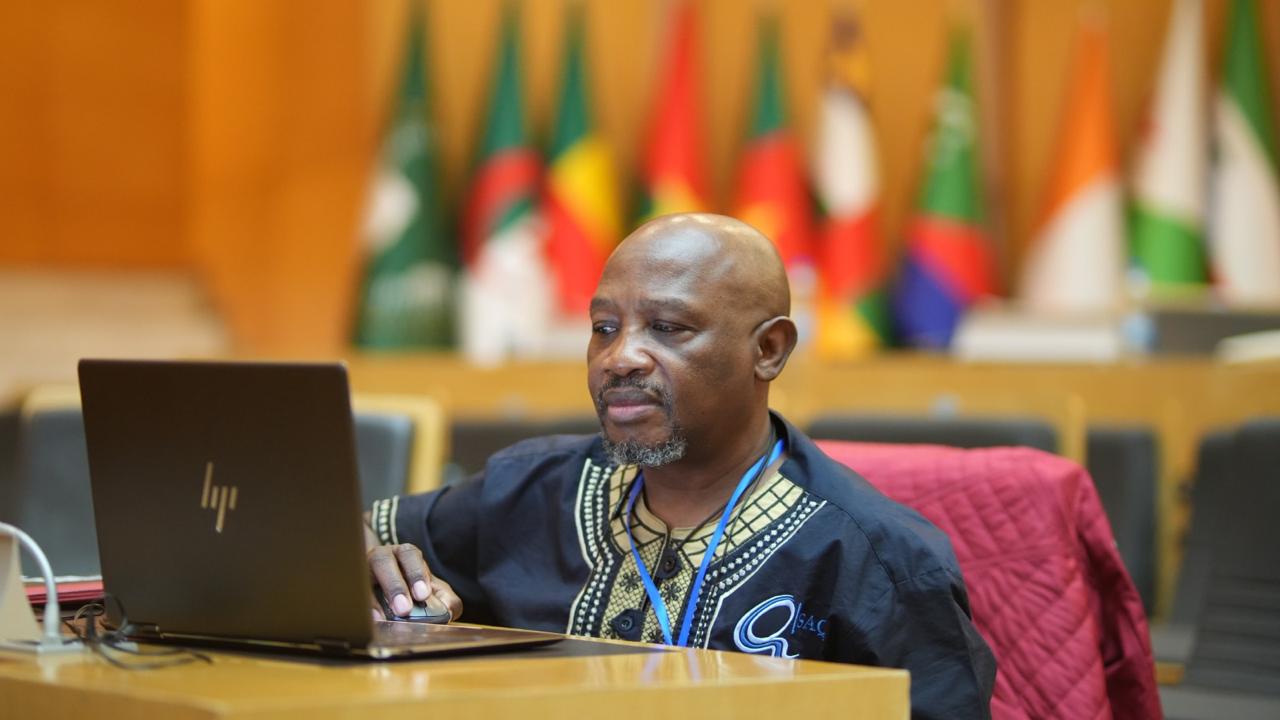
ZIMBABWE is set to take centre stage in efforts to improve the recognition of academic and professional qualifications, as the South African Qualifications Authority (SAQA) signals plans to deepen cooperation with local universities.
SAQA has confirmed it will engage Zimbabwean stakeholders this week, starting with vice-chancellors of various public and private universities across the country, from 22 to 24 April.
The engagement seeks to, amongst others, address long-standing challenges in qualification verification and to strengthen systems that support the movement of skilled professionals between the two countries, to resolve delays experienced by applicants.
This development comes as Zimbabwe remains the leading source of foreign qualification verification requests in South Africa, underscoring the scale of migration and professional exchange between the two neighbours.

“Zimbabwe remains number one in terms of movement, followed by countries such as Kenya, Ghana and Nigeria,” said SAQA chief operations officer Makhapa Makhafola.
The planned engagements are expected to focus on improving cooperation between institutions, ensuring qualifications are properly accredited, and tackling verification hurdles that often delay employment opportunities for Zimbabwean professionals.
For Zimbabwe, whose professionals have long sought opportunities across the region, the initiative could ease barriers to employment and restore confidence in the country’s education credentials.
SAQA plays a critical role in verifying foreign qualifications for use in South Africa, a process that involves confirming the authenticity of certificates, aligning them with national standards, and ensuring institutions are recognised.
“One of the things we do is verify foreign qualifications before verification. We must ensure the qualification belongs to the individual, fits within the country’s system, and that the programme is accredited,” Makhafola explained.
A key challenge affecting many Zimbabweans relates to the so-called “legacy qualifications” of degrees issued by institutions that no longer exist but were legitimate at the time.
“In those cases, we must work through government to verify their validity,” he said, highlighting the need for stronger collaboration with authorities on the continent.
The renewed focus on Zimbabwe comes against the backdrop of broader continental discussions on education and employability at the Continental and Global Policy Dialogue on TVET and Higher Education in Addis Ababa, Ethiopia.
The forum, convened by the African Union Commission, has brought together policymakers and education leaders to align skills development with labour market needs.
At the heart of these discussions is the push for greater comparability of qualifications across Africa, a move seen as essential to unlocking intra-African labour mobility.
Meanwhile, SAQA has also emphasised the importance of Technical and Vocational Education and Training (TVET), urging a shift away from an overreliance on traditional university degrees.
“In TVET, learners gain theoretical knowledge, practical skills and workplace exposure, making them more prepared for the labour market,” Makhafola said.
This message is particularly relevant for Zimbabwe, where youth unemployment remains a pressing concern and where skills-based training could play a critical role in economic recovery.
In a parallel reform process, SAQA will phase out around 1,000 outdated qualifications in June, as part of efforts to align education systems with modern labour market demands.
Through its chief executive, Nadio Starr’s presidency of the Troika, the authority is making a significant contribution to the development of frameworks such as the African Continental Qualifications Framework, which aims to harmonise education standards across Africa.
SAQA will also be participating in the 66th edition of the Zimbabwe International Trade Fair 2026 this week in Bulawayo under the theme “Connected Economies, Competitive Industries.
This is a major multi-sectoral exhibition which aims to serve as a key platform for industrial growth, international trade and regional investment.
The participation positions SAQA as the leading qualification authority, showcasing the work they are continually engaged in and ensuring that the National Qualifications Framework is not only advanced but also fully understood.

