
 Adelaide Moyo, Group Managing Editor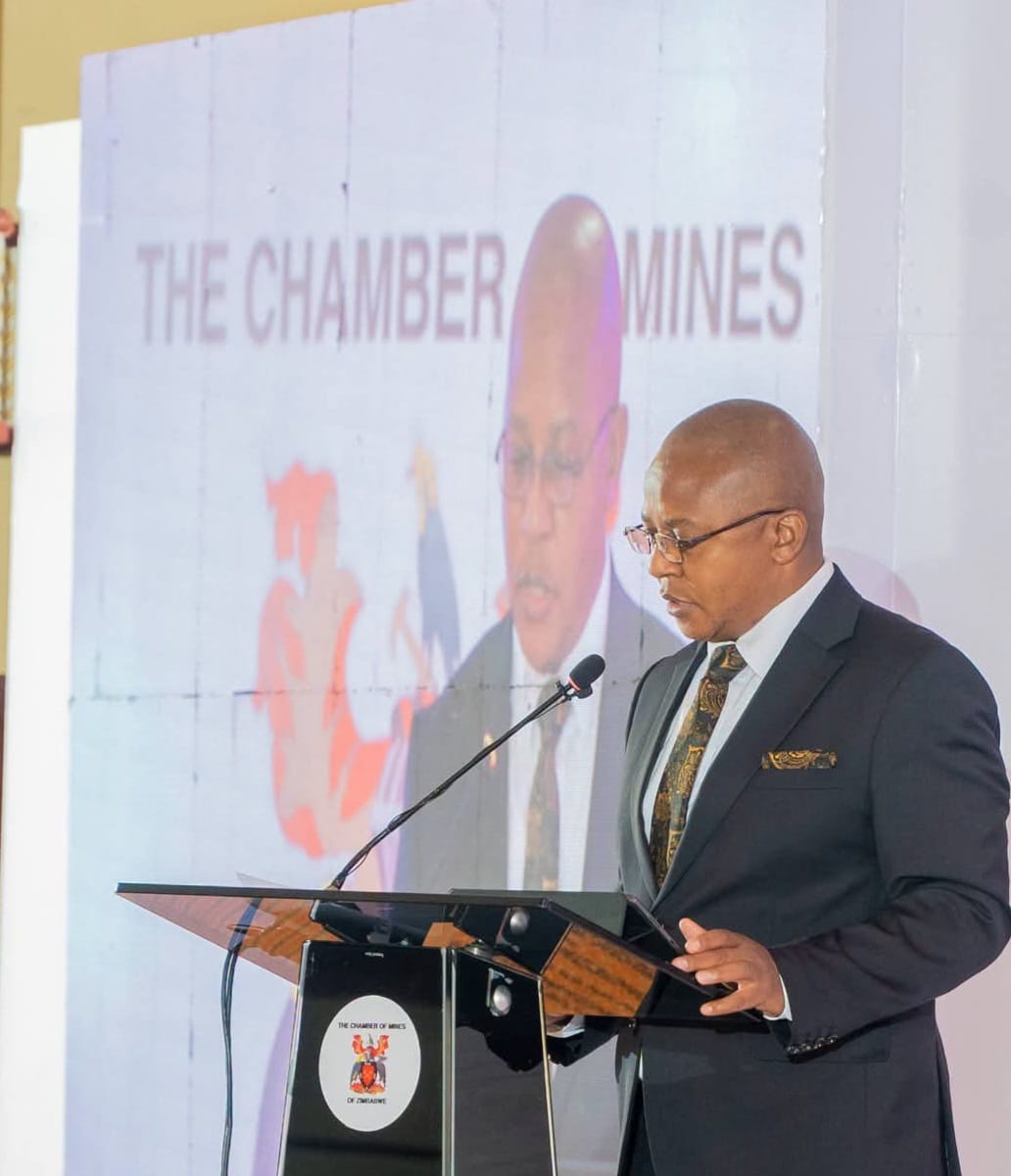
THE Ministry of Mines will launch a nationwide airborne geophysical survey to map mineral reserves, noting that Zimbabwe remains significantly under-explored by modern international standards.
The geological map is critical for attracting major international mining companies and unlocking fresh foreign investment to boost the economy.
“Zimbabwe remains under-explored by modern international standards. A national airborne geophysical survey that is aeromagnetic and electromagnetic is on the cusp,” Minister of Mines Polite Kambamura said at last week’s Chamber of Mines of Zimbabwe annual conference.
“Government is therefore strengthening the geological survey department by improving geological data management, promoting advanced exploration techniques, and encouraging greater private sector exploration expenditure.”
He added that the future of mining is increasingly being shaped by artificial intelligence, automation, robotics, remote sensing, predictive analytics, and advanced mineral processing technologies.
The minister highlighted that the technologies improve productivity, safety, environmental performance, and operational efficiency.
Permanent secretary in the Ministry of Mines Thomas Wushe said the country’s estimated six million hectares of largely unexplored prospective ground is an opportunity to increase future production.
“We can confirm our sovereignty through gold and mining. Fifty tonnes is not the best we can do. We have six million hectares of land that can easily support production of 100 tonnes through increased exploration,” Wushe said.
This comes as Zimbabwe’s gold sector is experiencing record output. Official gold deliveries reached 46,7 tonnes in 2025, up 28 percent from the previous year, driven by firming prices and ongoing expansion activities across the gold sector.
Mutapa Gold Resources chief executive Patrick Maseva-Shayawabaya said exploration must be treated as the foundation of the next phase of gold growth.
“The future we seek will not be secured by current production alone. It will depend on how we explore for minerals, establish supportive governance systems and integrate artisanal and small-scale miners into legitimate, safe and competitive gold-mining structures and the broader gold economy,” he said.
He added that mature mines cannot sustain national ambition indefinitely unless they are supported by a credible pipeline of new discoveries, reserve replacement and improved geological knowledge. He noted that countries that provide accessible geological information, regulatory certainty and clear rules governing exploration are better positioned to attract capital into the mining sector.
The developments come as the mining sector generated a record US$7,3 billion in export earnings last year, compared to US$5,9 billion in 2024.
In 2026, the sector is projected to grow by seven percent driven by new and ongoing expansion projects across mineral sectors.