
 Staff Writer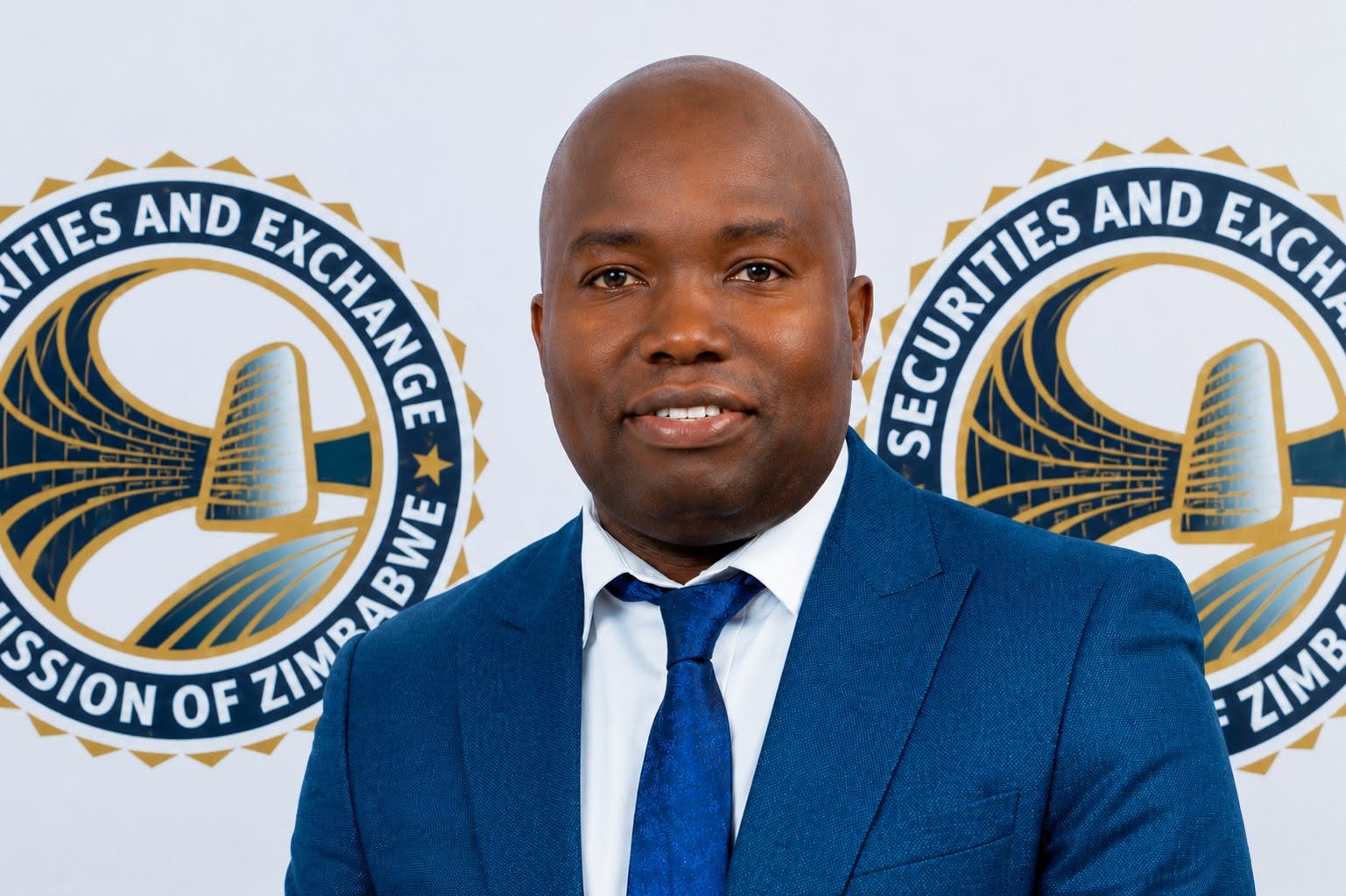
ZIMBABWE’S Securities and Exchange Commission (SecZim) has issued a flurry of directives to tighten the trade and regulation of secondary securities amid growing misconduct concerns, documents show.
The development comes as the Financial Intelligence Unit (FIU) has said the country’s capital markets were “vulnerable to fraudulent activities, as there were some people using counterfeit instruments to obtain loans” and Harare’s investment sector is currently intrigued by Stratus Capital’s bitter US$5 million treasury bill (TB) complaint against a local bank and ADC Capital.
“Every secondary market transaction involving TBs, Treasury Bonds or any other government security… shall be registered through the framework and assigned a transaction code,” SecZim chief executive Tichaona Mushambadope said in a circular, adding all secondary market transactions must be approved by his institution and “that the obligation applies irrespective of where the transaction was negotiated, executed, type or model of settlement mechanism used, legal form or transaction structure”.
“Registration shall not constitute or evidence transfer of legal or beneficial title, settlement, clearing, custody, perfection of security, registration of ownership or any function reserved by law to an issuer, custodian, central securities depository or settlement authority,” he said.
While the directive designates “national TBs, bonds registration and transaction coding framework” as the approved mechanism for recording secondary market activity and to be operated by “a registered alternative trading platform or securities exchange”, the circular also lists categories of deals needing SecZim’s express approval such as “transfers, assignments, collateral and lease arrangements, pledge, repurchase agreements, structured financing transactions and beneficial ownership changes”.
The revised regime and order follows a 2025 FIU assessment – captured in its Annual Public Debt Bulletin – which noted that fraud cases involving TBs “often relied on misrepresentation of the source of funds, over-invoicing and the use of trusts to obscure ownership,” while disbursed and outstanding TBs stock or principal stood at US$204,23 million, as at the end December.
With principal arrears standing at nearly US$30 million, the stock was “significantly higher in September at US$379 million and against 2026 national budget targets.
Again, the FIU report also recorded 2 055 suspicious transaction reports and 687 money-laundering reports, with mobile money agent transfers accounting for 63,3 percent of the volume.
Licensed persons trading in treasury securities must submit information including “identification of the security, transaction date, maturity details, nominal value, consideration paid, discount rate or yield where applicable, transaction type and counterparties”.
On enforcement, Mushambadope said “every regulated entity shall establish appropriate internal controls to ensure compliance,” and warned that SecZim “may in accordance with the Act require periodic compliance reports, conduct inspections and request information for purposes of monitoring and verifying compliance”.
Firms that fall short risk “regulatory action under the Securities and Exchange Act (Chapter 24:25), applicable rules and licensing conditions”.
The commission also reserved the right to share aggregated information with the Ministry of Finance, the Public Debt Management Office, the Reserve Bank of Zimbabwe and any other parties it considers appropriate.
The circular further clarified that its provisions should not be interpreted as changing the Treasury’s responsibilities regarding government borrowing and public debt management. Similarly, they do not affect the central bank’s functions as the issuer’s agent, custodian, settlement authority or operator of the Central Securities Depository. —

