
 Staff Writer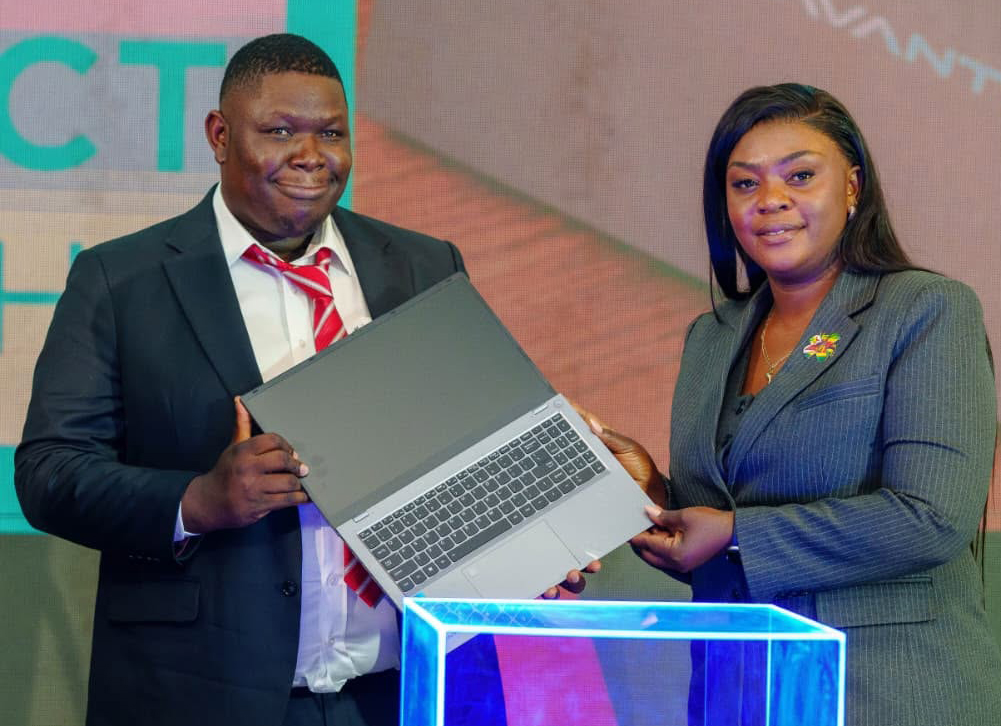
AVANTIS Technologies plans to list on the Victoria Falls Stock Exchange (VFEX) in the first quarter of 2027 as it seeks to expand its manufacturing capacity and strengthen its position against established international brands.
The company manufactures laptops, tablets, all-in-one computers and television sets, combining local design with international technical expertise and manufacturing partnerships from China and the Netherlands.
Chief executive Ari Goldstein said the listing is expected to strengthen its brand, improve access to capital and support its expansion plans.
Goldstein said the company had postponed its planned listing from this year because it expected business activity to slow in November, December and January.
“We are now about 93 percent through the process of listing on the Victoria Falls Stock Exchange to legitimise our brand and make it look more professional, competitive and appealing to the world at large,” he said.
“We are looking at February or March (to list on VFEX), but we should definitely complete our listing during the first quarter of 2027,” he said.
Goldstein also urged the government to address the influx of smuggled electronics, which he said was undermining locally-manufactured products.
“The government needs to deal with cheaper imports, including refurbished computers from Asian markets and fake HP products resold here in Zimbabwe. I think we need to address this issue through the Treasury, Zimra, the Ministry of ICT and the government, particularly the Office of the President and Cabinet, because many people are buying fake products, including HP, Lenovo and Dell computers. Yet we have the capacity to manufacture about 318 000 computers a year,” he said.
“Producing 318,000 computers a year can make a difference by meeting demand, lowering prices and generating revenue for the government. I think we need to curb smuggling and the sale of counterfeit products in the market. This is an issue that needs immediate attention,” he added.
Goldstein said the company was also developing an artificial intelligence model called Malume, meaning “uncle”, which it hopes will provide technology tailored to local needs.
“We are developing our own model. It is a proper model, similar to a cloud-based system, through which we can control and share data and make it more suited to addressing the issues we face as a people.
“The future is very exciting. The model will be launched in the first quarter of next year, and our technical team is currently working on this exciting project,” he said.

