
 Staff Writer
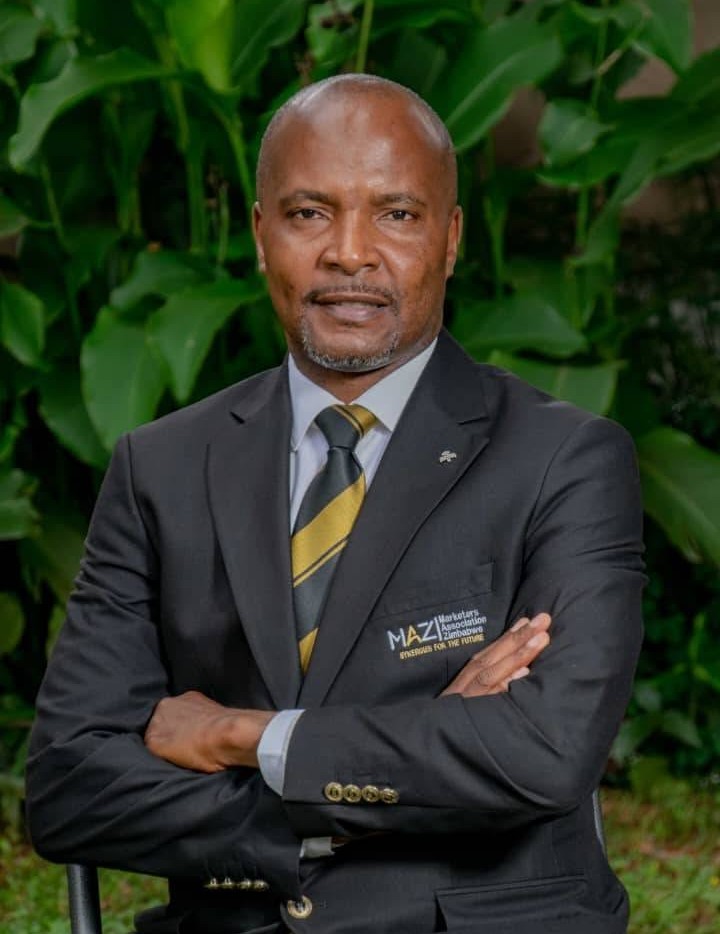
Gillian Rusike
FOR decades, corporate social responsibility has been the cornerstone of responsible business. It reflects a desire to give something back through donations, community projects, and charitable initiatives. And that has made a real difference, including here in Zimbabwe. But times are rapidly shifting. CSR, by design, often sits on the periphery.
A company may do excellent community work while its core operations remain unchanged. ESG is stakeholder-centric. Where CSR often asked, how much did we give to the community? ESG asks how do we create sustainable value for all the stakeholders. All the stakeholders today in the business operating environment are looking for more and they want to know or have a keen interest to know how a business behaves today, tomorrow or in the future.
Through CSR, companies have built classrooms, spoiled the less-privileged, funded clinics, and responded generously in times of need. Those efforts matter, but the terrain is shifting as it is demanding agility and relevance across the stakeholder divide. Today, success is judged less by the size of a donation and more by how responsibly a business operates every day.
That’s the heart of ESG, a shift in philosophy from what a company gives to how it creates value horizontally, vertically, diagonally and inwardly. Certainly, CSR deserves credit for bridging the gap when action through corporate citizenship was needed, but its limits are clear. Too often, it lives on the periphery, clearly like the image one sees on a rear view mirror. A company can’t degrade rivers all week, then plant trees on Saturday and call it responsible. ESG is about the board setting clear intentional, strategic and ethical direction.
The C-suite integrating ESG into strategy and risk, operations rethinking processes and HR building a culture that rewards responsible decisions. So, the flow is top down and end to end. Leadership sets the tone, every team carries it through. That way, it’s not a silo, department or a campaign, it’s the operating system. All the stakeholders’ expectations are expanding and now want more than episodic generosity. They want responsibility, care, compassion and expectations baked into strategic decisions and visionary approaches.
As such, two misconceptions need clearing up. First, ESG is not a new department. It is the operating philosophy of the entire organization, led from the boardroom, owned by leadership, and lived from the C-suite to the shop floor. Second, it’s not only about the community, it’s about all stakeholders. Shareholders, employees, customers, suppliers, regulators, communities, and the environment. Each of these plays a very crucial part of long-term value and sustainability of the organization. No business succeeds in isolation. When employees thrive, customers trust, suppliers grow, investors have confidence, communities prosper, and the environment is protected, the enterprise is stronger and more successful and resilient. In short, ESG is how sustainable organisations are led. Not a side program, but the core way decisions get made. That is the shift that is demanding to be embed in every strategy and organisational vision. The UN Global Compact titled its 2004 landmark report “Who cares Wins” as it focused on the guiding principles and core slogans that directly govern the global ESG framework.
CSR did good, but sat outside core strategy and that sets up the “what comes next” question. ESG, an operating philosophy of the whole enterprise, led from the boardroom, lived by everyone is now directing the front desk into the future. For shareholders, it’s resilience, risk management, long-term returns. For employees, safer workplaces, inclusion, purpose, better retention. For customers, trust, brand loyalty, values alignment. For suppliers and partners, ethical procurement and stable partnerships. For financiers and investors, confidence and access to capital. For government and regulators, compliance and credible corporate citizenship. For communities, shared prosperity, not one-off donations. And for the environment, protection, prevention and ploughing as strategic responsibility.
ESG demands organisations to make it part of governance, set measurable goals, develop progress reporting, and align incentives across all the stakeholders, it is no longer just about profit.
So rather than asking “what can we give back?” ESG asks “how do we do business?” It is an operating philosophy that flows from the boardroom through the C-suite to every employee – from CEO to shop floor, that’s what makes it not just a sustainability initiative, but a business model for long-term competitiveness.
CSR is often seen as philanthropy on the side. Whereas ESG is about embedding sustainability and governance into core business strategy.
Many companies still treat CSR as an annual donation or a PR exercise. But the world has taken a shift from CSR to ESG, a shift from charity to strategy. Investors are now screening for sustainability risks, lenders are asking tougher questions, and customers want brands that reflect their values. In Zimbabwe, ESG is not to be left to the giant organizations alone, but every organization from smallest to greatest, has got the chance to frame ESG as a competitive advantage rather than a compliance cost. Remember CSR asks, ‘What can we give?’ ESG asks, ‘How do we operate?’
Some of the benefits of embedding ESG include access to capital, customer trust, talent retention, operational resilience. Zimbabwe faces climate vulnerability, youth unemployment, lack of access to capital and support of women led businesses as well as governance challenges. ESG is a chance to leapfrog, not to play catch up.
The defining strength of ESG is that it recognizes that no business thrives in isolation. For shareholders, ESG is about protecting and growing long-term value – resilience, risk management, sustainable growth, rather than short-term wins that compromise the future. For employees, it means a safe, inclusive, and empowering workplace that attracts talent, boosts engagement, and productivity. For customers, trust becomes the currency. People buy and stay loyal when they believe in how a company operates, not just what it offers. For suppliers and partners, it sets a tone of ethical procurement and long-term partnership, strengthening the entire value chain. For investors and financial institutions, ESG signals discipline, foresight, and sustainable strategy. Increasingly a factor in financing and investment decisions. For regulators and government, it shows responsible corporate citizenship and alignment with national priorities. And for communities, it shifts from one-off donations to shared prosperity: jobs, environmental protection and inclusive growth.
Ultimately, ESG recognises that lasting success is built when all stakeholders thrive together. That is the shift from giving back to creating value, from an activity to a philosophy. From CSR to a model that makes sustainability inseparable from success.
For financial services, banks have long done community donations and financial literacy drives, but ESG asks them to go further, create conducive banking products for the unbanked like providing capital to women led banks, support environmental initiatives like green financing, prioritising the youths in accessing loans and developing products that attract the unqualified (financial inclusion) and including but not limited to environmental and social risk into lending, strengthening governance, diversity, data protection, sustainable finance. In mining, CSR has built schools and clinics, vital contributions, yes, but ESG pushes deeper it demands for environmental stewardship, water use, emissions, tailings management, alongside worker safety, community consent and strong governance. It’s the difference between building a school and ensuring the mine itself is environmentally and socially sustainable.
ESG is not sector specific it is enterprise wide. Whether you’re in banking, mining, manufacturing, or farming, the question is no longer what you give, but how you operate. The future belongs to those who embe sustainability and ethics into every decision and both short & long term plans.
The call now is for leadership. For boards to embed ESG in governance and strategy. For CEOs to integrate it into risk, operations, and culture. And for every employee to understand their role in building a responsible business. For Zimbabwe, this is even a national conversation. As the country pushes for sustainable growth and competitiveness, ESG becomes not just a corporate agenda, but a development agenda. So the challenge is also an opportunity. The organisations that will define the next decade will not be those that gave the most, but those that governed best protected the environment, invested in people and created value for all stakeholders. The time to make that transition is now. Make the shift from good deeds to good business. That’s the promise of ESG and the future of responsible business.

