
 Almot Maqolo, Staff Writer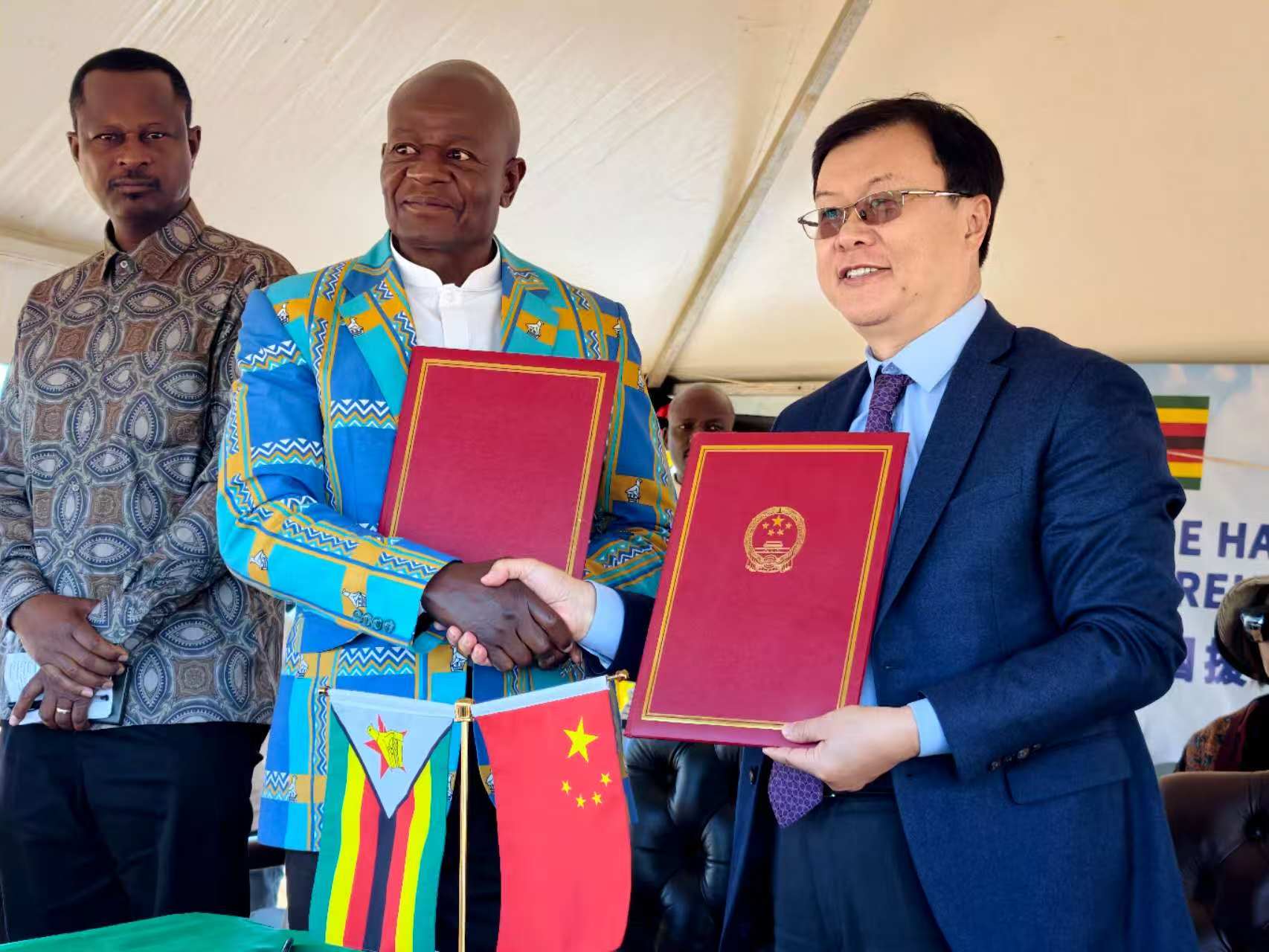
CHINA imported about US$12 million worth of macadamia nuts from Zimbabwe in 2025, reflecting a surge in agricultural trade between the two countries.
Of late, local companies that produce macadamia nuts, such as Tanganda, have been setting their sights on global markets, including China, to boost exports and improve foreign currency earnings.
The move comes as Zimbabwe seeks to lift export earnings from agriculture and value-added produce, particularly in provinces such as Manicaland, where farming remains a key economic driver.
“I learned that Manicaland Province, particularly Chimanimani and Chipinge, is a key production base for tobacco and high-value horticultural produce, such as avocados, citrus, and macadamia nuts. We also imported over 5 000 tonnes of macadamia nuts worth US$12 million,” Chinese Ambassador to Zimbabwe, Zhou Ding said.
Zimbabwe has been seeking to expand exports of higher-value agricultural goods as part of efforts to diversify its foreign currency earnings beyond traditional commodities such as tobacco.
“China is the largest buyer of Zimbabwean tobacco and macadamia nuts. Last year, nearly half of Zimbabwe’s tobacco output was exported to China, valued at about US$800 million” he said.
Ding said expanding demand from China’s consumer base was already shaping production incentives for Zimbabwean farmers.
“Zimbabwe’s citrus fruits, blueberries, and dried chilies have also gained entry to the Chinese market. Manicaland’s sesame seeds are also expected to be exported to China in the near future.”
Under a policy effective May 1, 2026, China now grants duty-free access to its market for every product coming from 53 African countries – a list that includes Zimbabwe.
“This policy will substantially expand access for Zimbabwean products to the vast Chinese market, promote local industrial growth, and create more jobs and income opportunities for Zimbabwe,” he said.
The zero-tariff framework is part of Beijing’s broader effort to deepen trade ties with African economies, while Zimbabwe is betting on preferential access to support rural incomes, agricultural diversification and export-led growth.
Analysts say the policy could strengthen Zimbabwe’s agricultural export base, but warn that supply chain constraints, financing gaps and infrastructure bottlenecks may limit how quickly producers can scale to meet demand.
Zimbabwe’s ambassador to China, Abigail Shonhiwa recently said the removal of tariffs creates a platform for growth, particularly in attracting investment linked to exports.
“The key word is how to leverage that opportunity that is before us,” she said.
“The announcement of that policy… can be an incentive to investors… to come and produce products to sell to the market that is available.”
She said Zimbabwe could position itself as a production base for goods destined for China, drawing interest not only from Chinese firms but also from investors in other countries.
Meanwhile, China has handed over 300 newly drilled boreholes to drought-stricken communities across four Zimbabwean provinces, reinforcing Beijing’s role as Harare’s largest bilateral partner while raising fresh questions about the long-term sustainability and economic trade-offs of aid-financed infrastructure.
The US$12 million project, completed in under two years by China Geo-Engineering Corporation, provides clean water to more than 75 000 residents across 300 villages in Mashonaland East, Manicaland, Masvingo and Midlands.
At a ceremony in Chimanimani on Friday, Ding called the boreholes a lifeline after the El Niño-induced drought that prompted President Emmerson Mnangagwa to declare a national disaster in April 2024.

