
 Almot Maqolo, Staff Writer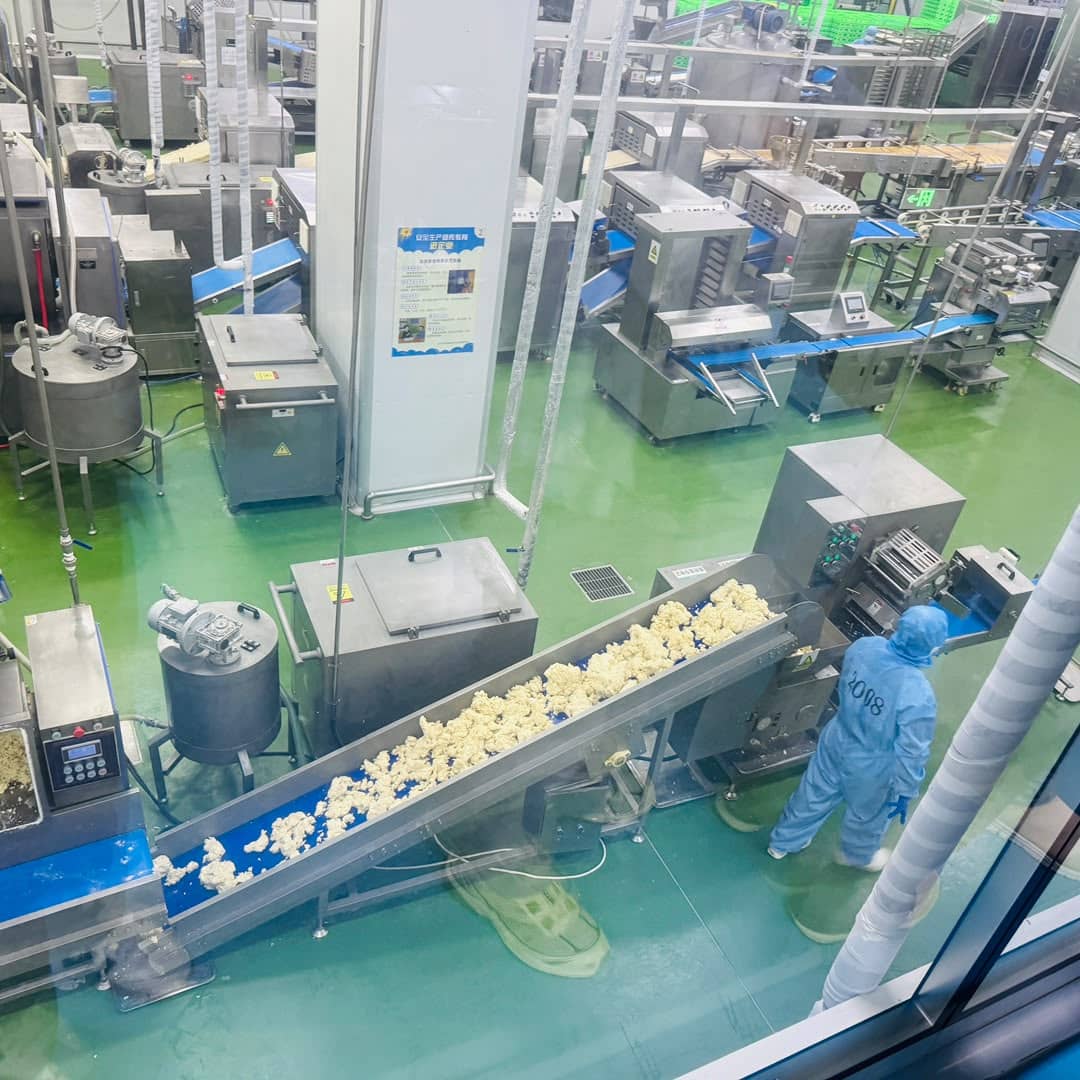
Staff writer in Beijing
A DISTRICT on the northeastern edge of Beijing is preparing to launch additional international freight routes to expand imports of specialty products from around the world while increasing exports of its signature agricultural produce, a senior local official said.
Pinggu, which is positioning itself as a hub for agricultural innovation, modern logistics and rural tourism, hopes the new freight connections will strengthen cross-border trade and deepen international economic cooperation.
“We are about to launch additional international freight routes to streamline imports of global speciality goods,” Deputy District Chief Gao Hongbin told journalists participating in a media and cultural exchange programme.
“We also aim to take Pinggu’s famous peaches and other local speciality products to overseas markets,” he said.
The initiative forms part of Pinggu’s broader strategy to capitalise on its rapidly expanding logistics sector, which local authorities see as supporting Beijing’s role in the Belt and Road Initiative and connecting China’s capital to global supply chains.
Gao said the district has developed one of Beijing’s largest logistics networks, anchored by the Smart Logistics Valley, which he described as the world’s largest single standalone logistics complex.
The district’s warehousing space covers about 3,1 million square metres, representing roughly half of Beijing’s total warehousing capacity, with more than 70 companies operating from the area.
He said the logistics infrastructure has attracted high-end manufacturing firms and cross-border e-commerce businesses while supporting regular international freight services that deliver fresh agricultural products to consumers across the Beijing-Tianjin-Hebei region.
Beyond logistics, Pinggu is investing heavily in agricultural science and technology, with authorities developing what they call an “Agricultural Zhongguancun” innovation hub aimed at modernising farming and improving food security.
The district is home to research facilities focusing on areas including animal breeding, food engineering and smart agriculture, while a national agricultural science and technology innovation centre led by China Agricultural University is under construction and is expected to host more than 10 national key laboratories.
Gao said Pinggu has hosted the World Agri-Food Innovation Conference for three consecutive years, attracting leading food and agriculture companies and promoting international scientific collaboration.
He cited poultry producer Yukou, whose breeding chickens and hatching eggs are exported to more than a dozen countries, including Tanzania, as an example of the district’s growing international agricultural links.
Food security remains one of Pinggu’s priorities, Gao said, with authorities seeking to build an integrated agricultural value chain spanning seed development, food processing and biotechnology.
The district is also promoting rural tourism by combining its natural landscapes with cultural attractions, sporting events and emerging industries such as pet-friendly tourism.
Located on the 40th parallel north, Pinggu is surrounded by mountains on three sides and is widely known across China for its peach orchards, which attract thousands of visitors during the annual blossom season.
Addressing the visiting journalists, Gao urged international media to share stories about Pinggu’s advances in agricultural technology and rural development.
He said greater international awareness of the district’s innovations could encourage more overseas partnerships, investment and tourism while showcasing China’s efforts to modernise agriculture through science and technology.

