
 Staff Writer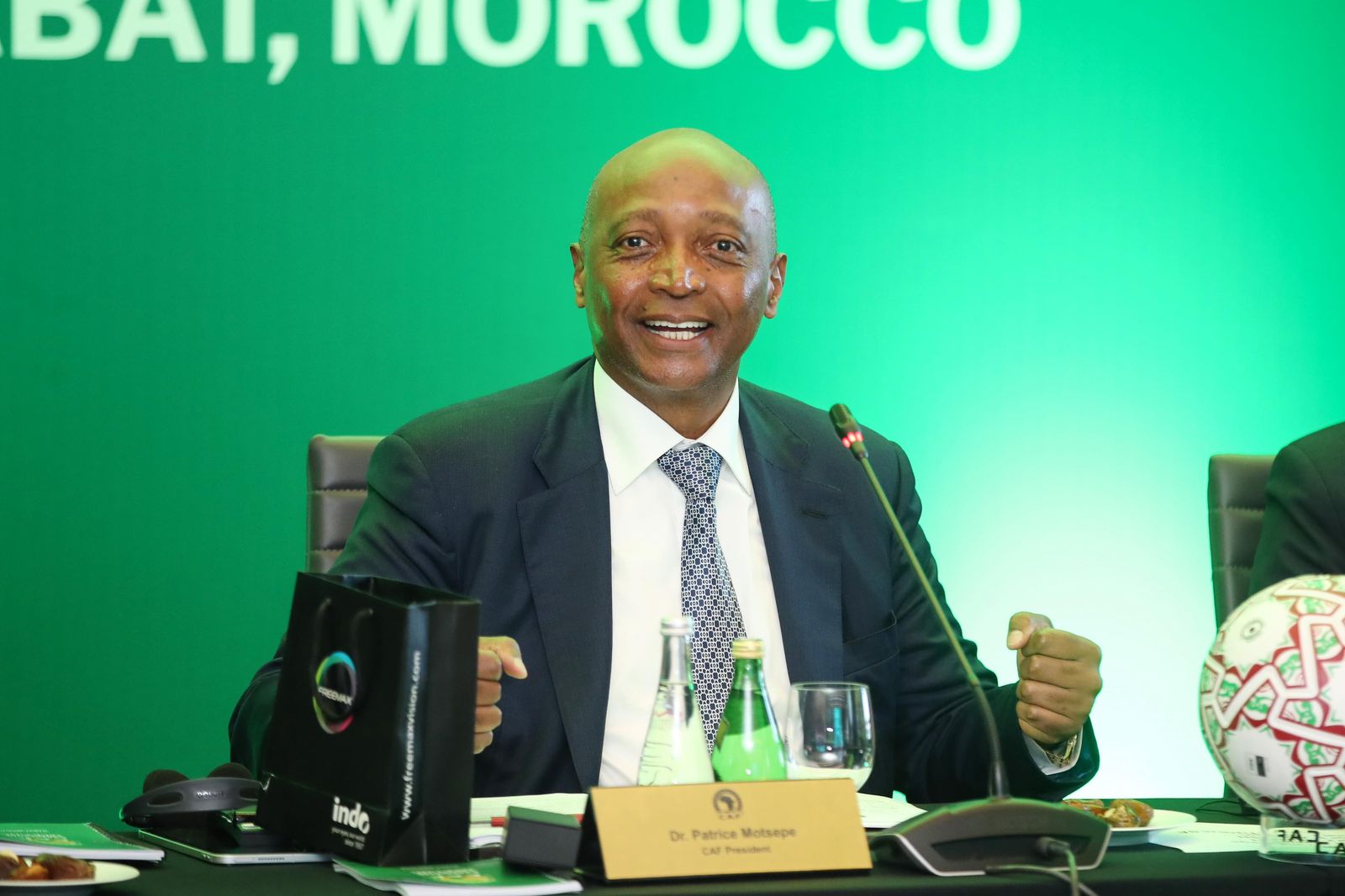
CONFEDERATION of African Football president Patrice Motsepe has yet to clarify the future of referees boss Olivier Safari, whose alleged role in the controversy surrounding the 2025 AFCON final continues to cast a dark shadow over African football.
Safari stands accused of intervening during the final to prevent the match referee from issuing yellow cards.
The claim has sparked outrage among fans and officials and raised serious concerns about the integrity of officiating at the continent’s flagship tournament.
When pressed on the matter in Dakar on Wednesday, Motsepe stopped short of offering clarity. Instead, he deflected the question to CAF’s administration in a moment that only deepened uncertainty.
“Mr Secretary General, please answer this question… throw yourself into the fire. Did you hear the question?” Motsepe said.
CAF secretary-general Samson Adamu, who appeared alongside Motsepe, offered little in the way of resolution, signalling that a decision on Safari remains pending.
“Yes, your question concerns whether CAF will suspend or take any action against Olivier Safari. As the president mentioned, CAF is following due process until a final decision is reached,” Adamu said.
“CAF will ensure that all procedures have been properly followed. At this stage, no decision has been taken on the matters you referred to.”
The controversy stems from a chaotic final between hosts Morocco and Senegal, initially won 1-0 by Senegal after extra time.
The match descended into disorder late on when Senegal’s players briefly walked off the pitch in protest after Morocco were awarded a penalty, leading to a 12-minute stoppage. The players eventually returned, and referee Jean-Jacques Ndala resumed play.
Morocco missed the resulting penalty before Pape Alassane Gueye scored what appeared to be the winning goal. However, the drama did not end there.
Two months later, CAF’s Appeals Board overturned the result, stripping Senegal of the title and awarding Morocco a 3-0 victory, a decision that has only intensified scrutiny of the officiating.
Central to Morocco’s successful appeal was a report alleging that Safari admitted “institutional instructions” had been issued during the stoppage, directing the referee not to caution Senegal’s players to ensure the match could resume.
Had yellow cards been issued upon their return, at least two Senegal players would have been sent off, a scenario that could have dramatically altered the outcome.
Senegal have since escalated the matter to the Court of Arbitration for Sport, challenging CAF’s ruling.
With the case now in legal territory and reputational stakes rising, Safari’s future and CAF’s credibility hang in the balance.

