
 Staff Writer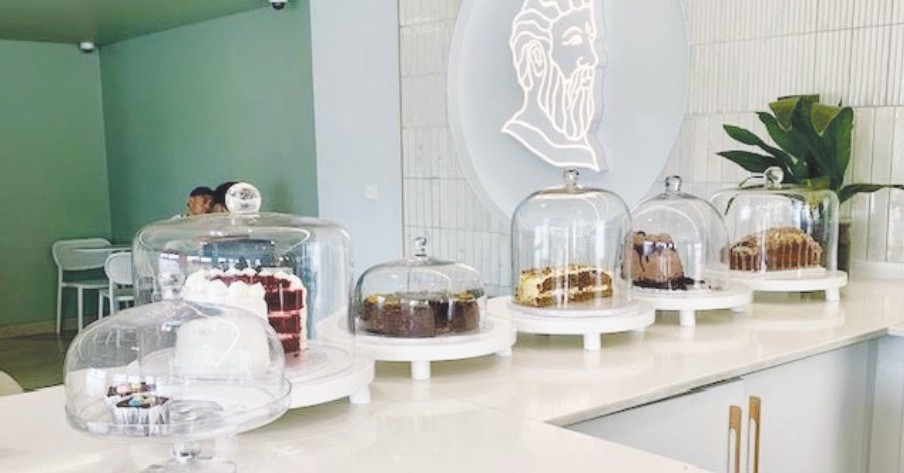
A Matter of Taste with Charlotte Malakoff
ZIMBABWE is a nation of avid tea drinkers who cannot start the day without sipping one or two cups of tea. By 4 pm, it’s time to put the kettle on again, take the Tanganda tea bags out of the cupboard, and warm the teapot.
Offering visitors a cup of tea is a Zimbabwean tradition, and sitting down together to ‘a nice cup of tea’ with a biscuit on the side creates a bond connecting family and friends, whether in a rural or urban setting.
There was a time when tea hobvu (tea with plenty of milk and sugar) was considered a special treat, and associated with a higher standard of living.
In 1982, Zex Manatsa’s satirical song ‘Tea Hobvu’ describes a visiting prophet from an apostolic sect demanding tea hobvu, and chingwa chine margarine (bread with margarine) from his hostess.
Sam Cooke affirms in his 1964 hit song ‘A Change Is Gonna Come’, that transformation is inevitable. Sam Cooke’s message was political, but change also comes to our daily choices of food and drink, which respond to marketing, online media and social influences.
So it’s no surprise that in the last decade or so, coffee shops have taken over the streets of Harare, and drinking coffee has become a sign of urban sophistication.
Plato Coffee, the latest outlet for coffee lovers, opened last November at 178, ED Mnangagwa Road. Previously occupied by Benny’s Burgers and then by Antonio’s Short Stop Diner, the site has been transformed by Plato’s clever design and branding.
Two enterprising brothers, Stephan and Petrus Bredell, launched Plato Coffee in 2019 in South Africa, from a container in the village of Irene, just outside Gauteng.
Their plan was to provide quality coffee and to engage the community, and in Stephen Bredell’s words, to ‘serve a billion cups with a smile, and become Africa’s largest coffee brand’.
Today, this success story has 140 locations in South Africa and over 38 franchise stores. Opening in Harare is the first step towards expanding internationally.
Serving ‘lekker coffee’ is not the only reason for Plato Coffee’s phenomenal success, says Stephan; he also considers it important to employ friendly staff who can establish a rapport with customers.
Arriving recently for a morning coffee at Plato, George and I were met with friendly smiles and greetings, and immediately felt at home.
The minimalist interior with its white and stone grey colour scheme, reminiscent of cafes in South Korea and Japan, inspires a sense of tranquillity, while the decor and furniture suggest you may have arrived at an elegant restaurant rather than a coffee shop.
The majority of clients line up for takeaway coffees, but others prefer to relax on stylishly comfortable chairs, enjoying the ambience or utilising the free WiFi.
The menu at Plato is extensive, the most intriguing section offering Signature coffees named after Greek philosophers, heroes and Shakespearean characters.
Classic coffee favourites include cappuccino, flat white and latte; if you’re on a coffee break with your toddler, you can even order a babyccino (150ml micro foam with a dash of chocolate). Among the many choices from the alternative section are hot chocolate, iced Matcha, hot ginger and a variety of teas.
We stood behind the impressive Tempesta coffee machine for several minutes, studying the menu. Drinks come in paper cups in several different sizes, so I decided to go big, and asked for a Plato, described as consisting of 3 ristretto shots and 280ml of micro foam.
Unless you’re a barista, you may not know that a ristretto shot uses the same amount of ground coffee, but less water than an espresso shot, creating a concentrated yet sweeter and less bitter taste than in a regular espresso.
The result was velvety, sweet, nutty and creamy, a flavour your palate might long for, but discover only in your dreams. It wasn’t easy to believe that a beverage drunk from a paper cup could taste so good, but George concurred that the Aristotle, with 3 ristretto shots and 180ml of micro foam, was also phenomenally good.
While many people might think it sacrilegious to serve coffee in a paper cup, there are some advantages. There’s no washing up to do, and baristas can write messages on the cups, creating a happy atmosphere and making a connection with the customer.
It made me smile when genial barista Keith wrote on my cup ‘Charlotte, you are special!’ And I’m sure George was as pleased as Punch to read ‘George, you’re a legend’ on his cup of Aristotle.
S a m a n t h a , who recently trained as a barista at Plato, explained that Blank Coffee Supplies, a speciality roastery in Centurion, roasts the beans for all the Plato Coffee locations, creating a medium roasted mixed blend of coffee beans from Brazil, Guatemala and Tanzania.
She also said that while Plato doesn’t as yet have its own kitchen, the delicious array of home-baked gateaux were made by home cooks from Harare and Marondera.
George and I shared a slice of chocolate and orange cake, the perfect foil to our coffee, and super delicious, even though it was served in a small cake box, with a disposable wooden fork.
Will Zimbabweans continue to offer guests a mug of tea hobvu or a cup of perfectly-brewed Tanganda tea?
The continuous stream of customers queueing for a takeaway cup of specialty coffee at Plato Coffee on ED Mnangagwa Road leads me to think otherwise.

