
 Staff Writer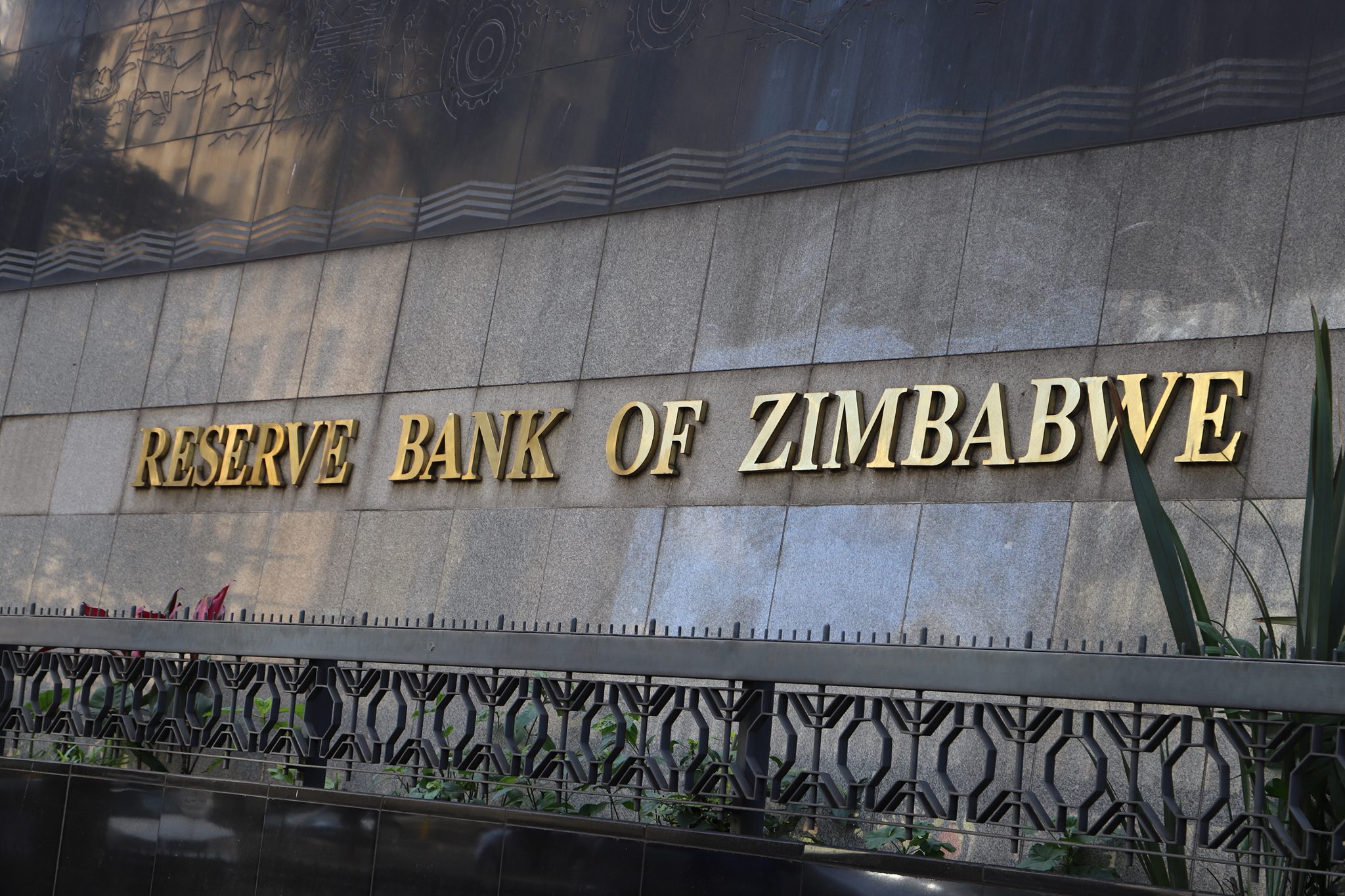
ZIMBABWE’S recent inflation performance offers something this economy has too often lacked, evidence that disciplined policymaking can still deliver stability, even in the face of external turbulence.
As fresh price pressures swept through global markets, particularly via energy and transport costs, the domestic inflation environment remained notably contained, demonstrating the value of firm and credible monetary stewardship.
Critics of the tight monetary policy often focus, understandably, on the pain of expensive credit. Businesses want room to borrow, expand, hire, and invest. These are legitimate concerns in any growth-oriented economy. Yet macroeconomic management is ultimately about sequencing.
Sustainable growth cannot be built on unstable prices, weakened confidence, and volatile exchange expectations. The foundation must come first.
What is noteworthy in the current environment is not that inflation pressures emerged at all. Given global commodity volatility, rising fuel costs, and the inevitable knock-on effects on transport, logistics, and food pricing, some inflationary movement was entirely predictable. The real test was whether those pressures would spiral into broader instability. They did not, and that matters.
Zimbabwe’s economic history has conditioned both businesses and households to react quickly to inflation signals, often amplifying pricing behaviour through speculation, defensive markups, and currency anxieties. Preventing that psychology from taking hold requires consistency, discipline, and credibility. Recent outcomes suggest those ingredients are increasingly present.
The restraint shown by monetary authorities reflects an understanding that inflation control is not achieved through popularity, but through difficult decisions that preserve long-term stability. Holding firm in the face of calls for immediate easing is rarely politically comfortable, but central banking is not meant to be an exercise in short-term appeasement.
Analysts increasingly recognise that the present inflation dynamics differ meaningfully from past episodes. Current pressures appear largely cyclical and externally induced rather than rooted in uncontrolled monetary expansion or policy drift. That distinction is critical. It suggests that the policy framework is functioning as intended, absorbing shocks rather than amplifying them.
Equally important is the role of fiscal discipline and reserve accumulation in reinforcing policy credibility. Monetary stability cannot exist in isolation; it depends on broader macroeconomic coherence. Where institutions move in alignment, confidence strengthens.
The road ahead still demands vigilance. External risks remain real, and inflation victories are never permanent. But where discipline produces measurable stability amid global uncertainty, that deserves recognition. Economic credibility is built gradually, through repeated evidence that policymakers will stay the course when it matters most. Zimbabwe may be beginning to demonstrate exactly that.

